Introduction
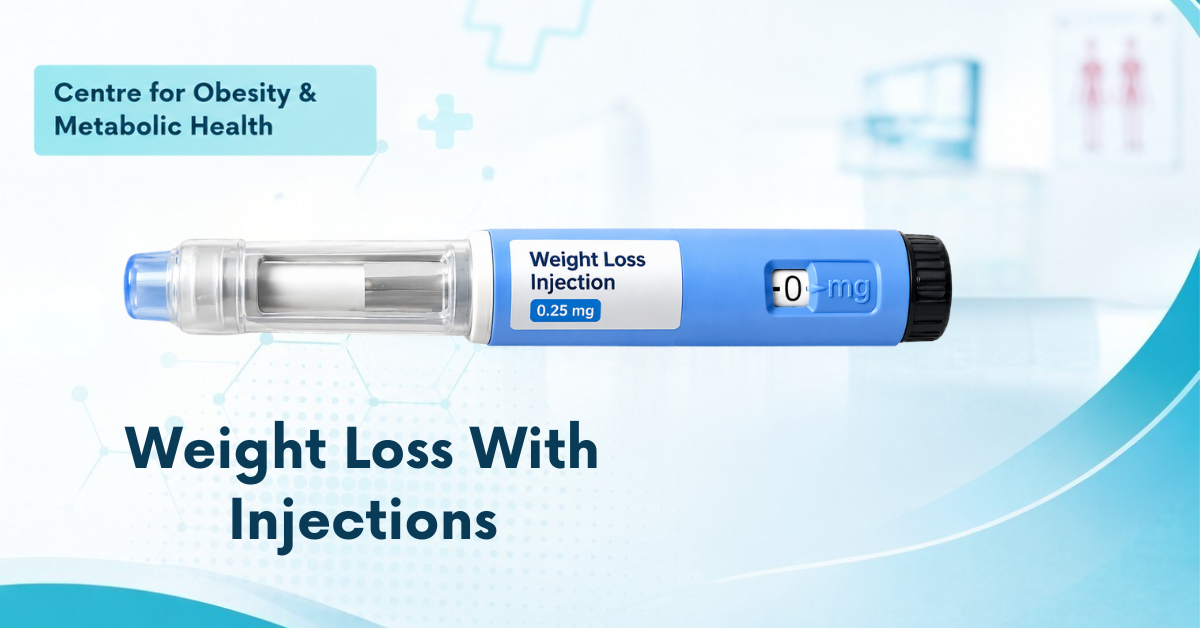
Weight loss injections have become an important advancement in modern obesity treatment. Medications such as Ozempic, Wegovy, Mounjaro, and Saxenda are widely searched by people looking for medical support to manage obesity and improve metabolic health.
However, one of the most common questions patients ask is:
“How much weight can I actually lose with weight loss injections?”
The answer depends on several factors, including:
- The medication used
- Starting body weight
- Dosage
- Duration of treatment
- Diet and physical activity
- Individual metabolic response
Weight loss injections are not instant fat-loss solutions. They work best as part of a structured medical weight management program that combines medication, nutrition, lifestyle changes, and regular monitoring.
What Are Weight Loss Injections?
Weight loss injections are prescription medicines designed to support obesity management by influencing hormones involved in:
- Appetite control
- Hunger regulation
- Blood sugar management
- Metabolism
Most commonly discussed weight loss injections include:
| Medication | Active Ingredient | Category |
|---|---|---|
| Wegovy | Semaglutide | GLP-1 receptor agonist |
| Ozempic | Semaglutide | GLP-1 receptor agonist |
| Mounjaro | Tirzepatide | GIP + GLP-1 receptor agonist |
| Saxenda | Liraglutide | GLP-1 receptor agonist |
These medications help patients feel fuller, reduce appetite, and support healthier calorie intake.
How Much Weight Can You Lose With GLP-1 Weight Loss Injections?
Weight loss results vary significantly from person to person. Some patients may experience:
- Moderate weight reduction
- Significant weight loss
- Improvement in metabolic health markers
The amount of weight lost depends on:
- Medication type
- Treatment duration
- Lifestyle changes
- Starting BMI
- Medical conditions
Clinical studies have shown meaningful weight reduction with medications such as semaglutide and tirzepatide in eligible patients when combined with lifestyle interventions.
Average Weight Loss With Popular Weight Loss Injections
1. Wegovy (Semaglutide) Weight Loss Results
Wegovy contains semaglutide and is specifically designed for chronic weight management in eligible individuals.
Clinical studies have shown that patients using semaglutide with lifestyle changes can achieve significant weight reduction over time.
Results may vary depending on:
- Starting weight
- Treatment adherence
- Lifestyle habits
2. Ozempic Weight Loss Results
Ozempic contains semaglutide and is primarily used for type 2 diabetes management.
Some patients experience weight loss because semaglutide can:
- Reduce appetite
- Improve fullness
- Support better eating patterns
Weight loss outcomes depend on individual response and treatment plan.
3. Mounjaro (Tirzepatide) Weight Loss Results
Mounjaro contains tirzepatide, which activates:
- GLP-1 receptors
- GIP receptors
This dual mechanism helps regulate appetite and metabolism.
Clinical research has shown substantial weight reduction in suitable patients receiving tirzepatide along with lifestyle changes.
4. Saxenda Weight Loss Results
Saxenda contains liraglutide, another GLP-1 receptor agonist.
It supports weight management by:
- Reducing hunger
- Increasing fullness
- Helping control calorie intake
What Factors Affect Weight Loss Results?
Weight loss with injections is different for every patient. Several factors influence outcomes:
1. Starting Body Weight
People with higher starting body weight may experience different weight loss patterns compared with those with lower BMI.
2. Medication Type
Different medicines work through different pathways. For example:
- Semaglutide works mainly through GLP-1 pathways
- Tirzepatide works through GIP and GLP-1 pathways
3. Treatment Duration
Weight loss usually occurs gradually. Doctors often increase doses step-by-step to improve tolerance and reduce side effects.
4. Nutrition Quality
Medication works best when combined with:
- Adequate protein intake
- Balanced meals
- Reduced processed foods
- Proper hydration
5. Physical Activity
Exercise supports:
- Fat loss
- Muscle preservation
- Better metabolic health
A combination of:
- Strength training
- Walking
- Regular movement
can improve long-term outcomes.
6. Metabolic Health
Conditions such as:
- Insulin resistance
- Type 2 diabetes
- Hormonal imbalance
- Sleep problems
may influence weight loss progress.
What Happens During the First Few Months?
Weight loss timelines vary, but many patients experience gradual changes across distinct phases:
Initial Phase
Patients may notice:
- Reduced hunger
- Better appetite control
- Smaller portion sizes
Progress Phase
Over time, patients may experience:
- Progressive weight reduction
- Improved energy levels
- Better metabolic markers
Maintenance Phase
Long-term success focuses on:
- Maintaining weight loss
- Preventing regain
- Building sustainable habits
Why Some People Lose Less Weight With Injections?
Not everyone experiences the same results. Possible reasons include:
Inconsistent Treatment
Skipping doses or stopping treatment early may affect outcomes.
Lifestyle Factors
Medication works best with:
- Healthy nutrition
- Regular exercise
- Good sleep
Individual Biology
Genetics, hormones, and metabolism influence how the body responds to treatment.
Unrealistic Expectations
Weight loss injections support medical weight management but do not guarantee identical results for every person.
Can You Lose Weight Without Diet and Exercise?
Weight loss injections are not replacements for healthy habits. The best outcomes usually occur when combined with:
- Nutrition planning
- Physical activity
- Strength training
- Behaviour modification
- Medical supervision
The goal is not only losing weight but improving overall health and metabolic vitality.
What Happens After Stopping Weight Loss Injections?
Stopping treatment should always be discussed with a doctor. Some patients may experience:
- Increased appetite
- Changes in eating patterns
- Possible weight regain
Long-term weight maintenance requires:
- Healthy lifestyle habits
- Ongoing monitoring
- Individualised follow-up plan
Are Weight Loss Injection Results Permanent?
Long-term results depend on:
- Maintaining healthy habits
- Continued medical guidance
- Managing factors contributing to obesity
Obesity is a chronic condition, and sustainable management often requires long-term planning.
Who Can Benefit From Weight Loss Injections?
Weight loss injections may be considered for adults who:
- Have obesity
- Have overweight with health risks
- Have struggled with lifestyle-based weight loss
- Need medical support for weight management
Doctors evaluate:
- BMI
- Medical history
- Existing health conditions
- Weight loss goals
before recommending treatment.
Weight Loss Injection Treatment in Navi Mumbai
At Centre for Obesity & Metabolic Health, Navi Mumbai, weight management is approached through a personalised medical program.
The program may include:
Detailed Assessment
Evaluation of:
- Weight history
- BMI
- Metabolic health
- Lifestyle factors
Personalised Treatment Plan
Doctors determine whether GLP-1 therapy is suitable.
Progress Monitoring
Regular follow-ups help monitor:
- Weight changes
- Side effects
- Health improvements
Sustainable Weight Management
The focus is achieving healthier body weight while preserving overall health.
“Our goal is not just weight loss; it is achieving better metabolic health and long-term vitality.”
Frequently Asked Questions (AEO)
Conclusion
Weight loss injections can provide meaningful support for people struggling with obesity, but results are different for every individual.
Medications such as Ozempic, Wegovy, Mounjaro, and Saxenda work by regulating appetite and metabolic pathways, helping eligible patients achieve weight reduction when combined with lifestyle changes.
The most successful approach focuses on realistic expectations, personalised treatment, and long-term health improvement.
If you are considering weight loss injections in Navi Mumbai, consult an obesity specialist to understand whether GLP-1 therapy is suitable for your weight loss goals.